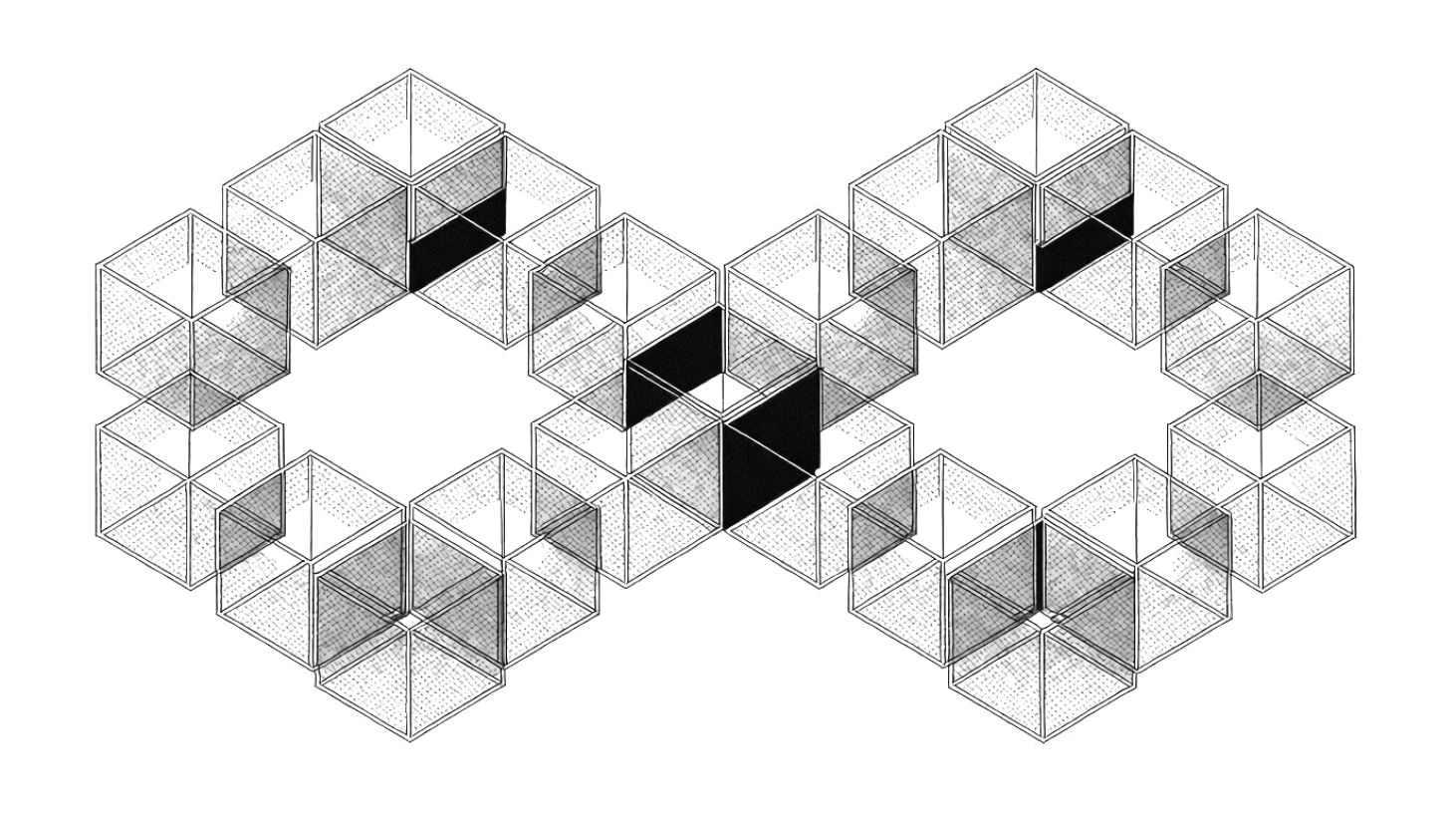
Physical AI makes it possible.
Demographics and geopolitics are changing what is necessary. Physical AI is changing what is possible.
The Orchestrator.
Our Factory OS connects different AI models, robots and automation platforms into one full stack assembly system.
We combine agentic orchestration, deterministic assembly trees, physics simulation and the latest capabilities of stochastic intelligence software into something that was simply called magic just a year ago.
Feats from the factory.
As robots become easier to teach, small orders become worth automating. The time to program one end-to-end assembly skill is going from weeks down to minutes.
7 weeks
7 hours
7 minutes
2025
2026 / Now
2027 / Target
PGI – Physical General Intelligence by 2028
Why we believe physical general intelligence will arrive before the end of 2028, and the progress in learning and precision behind that forecast.
Read articleThe Humanoid Economy in 2027
How cheaper hardware, physical AI and factory adoption are building the humanoid economy.
Read article